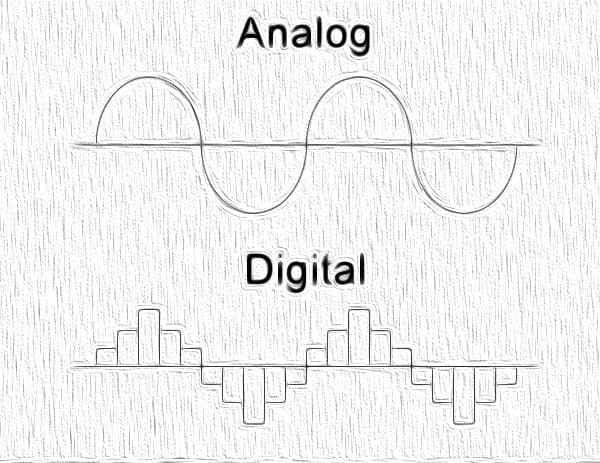
The digital representation of an object is rarely as good as the original analog version, but it is often close enough for most purposes, depending on the tradeoffs between accuracy, file size, and practicality. Analog objects, like sound waves or images, exist in continuous form, while digital representations break them into discrete data points. This process inevitably loses some detail, such as subtle nuances in sound or texture that can’t be fully captured. For example, digital audio relies on sampling rates, but even at high rates, it can’t perfectly replicate the smoothness of analog sound. In tradeoffs, higher accuracy in digital formats requires more data, leading to larger file sizes. A 4K video offers much more detail than a standard definition video, but it also consumes significantly more storage and processing power. Compression methods, like MP3 for audio or JPEG for images, reduce file sizes by discarding data less perceptible to human senses, which makes them more practical for everyday use but results in some quality loss.
Human perception greatly influences how we digitize objects. Our eyes and ears have limits to the detail and frequencies we can detect, which means digital formats are often optimized to meet these thresholds without excessive data use. For instance, most viewers won’t notice the difference between a high-resolution image and a slightly compressed one on a small screen, and most listeners are satisfied with MP3 audio, even though it’s not as rich as lossless formats. Ultimately, while digital representations are never perfect, they strike a balance between fidelity and practicality, with decisions driven by what the average person can perceive and accept as “good enough” for everyday use.