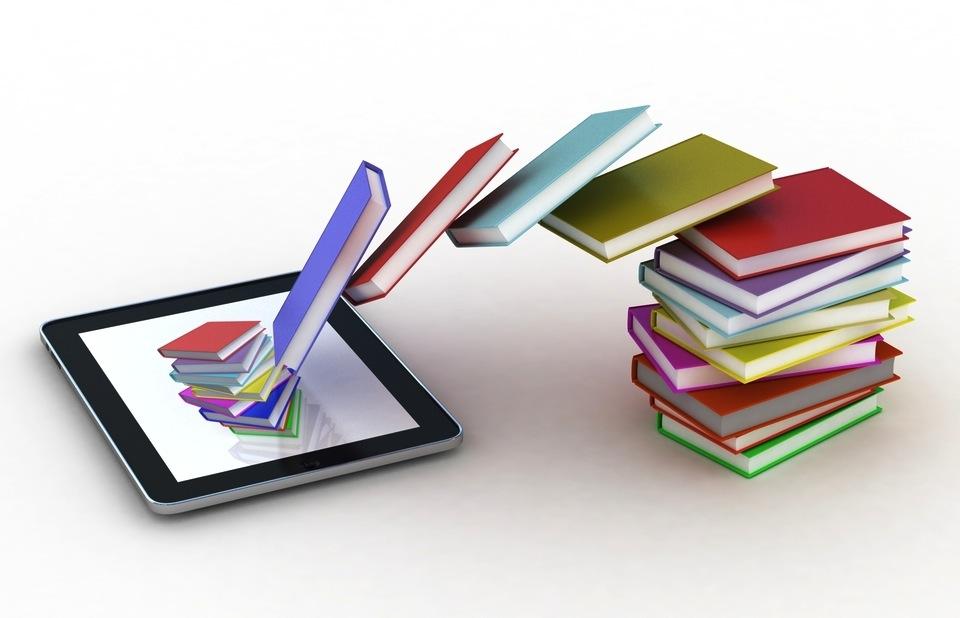
The shift from print books to digital formats has completely changed the way we access and use information. It comes with big benefits but also a few challenges. From an electrical engineering standpoint, this transformation relies on improvements in storage, energy efficiency, and connectivity.
E-books make it easy to carry entire libraries in a single device, thanks to energy-efficient e-ink displays and low-power microprocessors. Features like wireless charging have also made these devices more practical and sustainable, helping to cut down on paper use and the environmental impact of printing and shipping physical books. Digital books also work well with assistive technologies like text-to-speech software, making them more accessible for people with visual or cognitive disabilities.
But there are downsides, too. Things like digital rights management (DRM) and proprietary file formats can limit how users share or transfer books, which takes away from the communal feel of lending a book to a friend. On top of that, the data centers that power cloud-based libraries use a lot of energy, which reduces some of the environmental benefits of going digital. These centers need significant electrical infrastructure, cooling systems, and constant maintenance, adding to global energy use. There’s also the issue of electronic waste—devices eventually become outdated and need to be replaced, which uses up resources and creates waste.
Overall, while digital books have made literature more accessible and environmentally friendly in some ways, they also bring new challenges. To truly make the most of this shift, we need to balance the amazing possibilities offered by technology with a focus on sustainability and fairness.