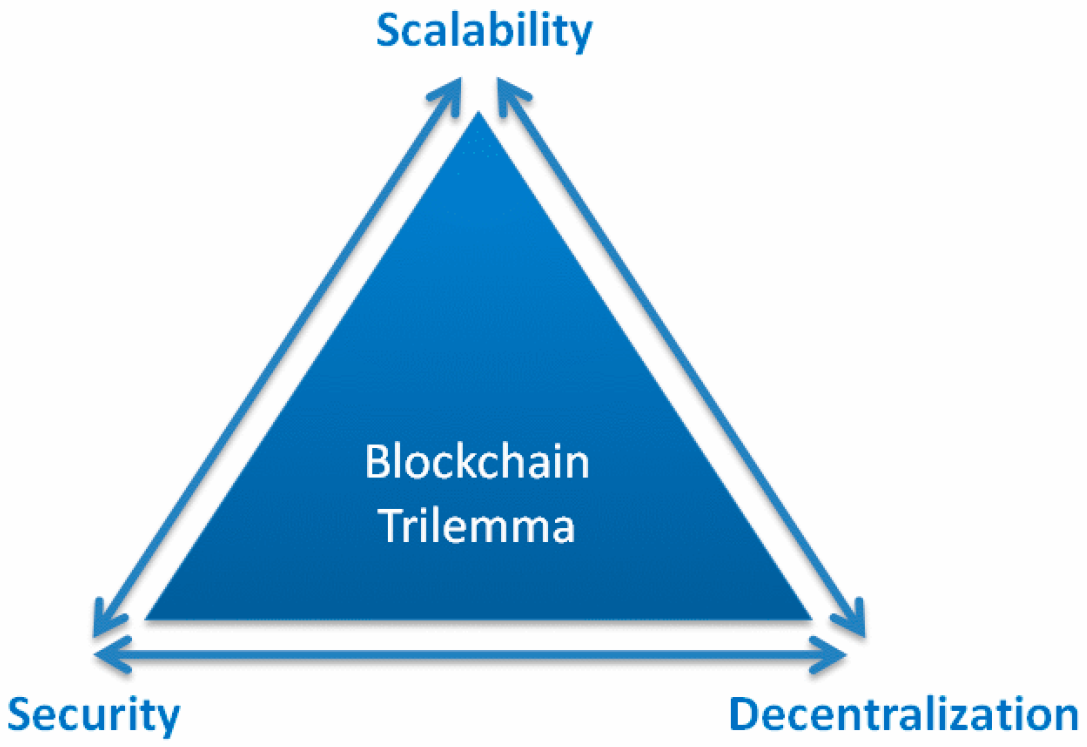
Blockchain technology is often seen as a groundbreaking way to decentralize systems, but its biggest challenge—scalability—still holds it back. Ideas like sharding and layer-two solutions get a lot of praise for their creativity, but they also need a closer look from a broader perspective, especially through the lens of electrical engineering and system design.
From an electrical engineering viewpoint, scaling blockchain systems is a bit like building efficient power grids. Just as circuits can overload and fail under too much demand, blockchains struggle with delays and high energy use as transactions increase. Sharding, which splits the blockchain into smaller, independent parts to process transactions, sounds great in theory. But it comes with tough challenges, like keeping all the parts synchronized. In power grids, poor synchronization can cause major failures, and the same goes for sharding—if shards aren’t perfectly coordinated, the system could become vulnerable to errors or even attacks. Without strong communication between shards, the benefits of sharding might not hold up in practice.
Layer-two solutions, like the Lightning Network, aim to reduce congestion by handling some transactions off the main blockchain. However, these have their own issues, similar to energy storage systems in power grids. Just as those systems need to manage efficiency and reliability, layer-two solutions depend on certain trust assumptions and could bring back some level of centralization, which goes against the whole point of blockchain. Some argue that it’s better to focus on making the base blockchain more efficient—like improving power transmission in a grid—before adding extra layers.
To truly solve blockchain’s scalability problems, we need more than just clever technical fixes. It’s about designing the whole system with real-world challenges in mind, including reliability, coordination, and efficiency. Electrical engineering offers valuable lessons here, reminding us that any solution needs to work in practice without undermining the core goals of the system.